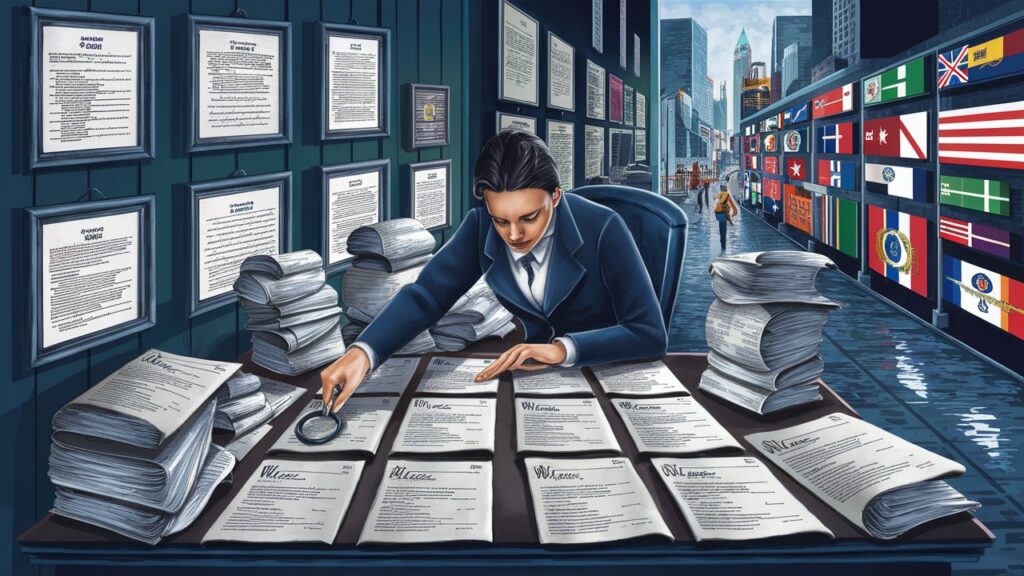


Debunking Misconceptions About Wills and Estate Planning
Planning for what happens to your wealth after you’re gone can seem overwhelming, especially when there are so many myths floating around. It’s important to understand these myths and their realities to make informed decisions about estate planning. Here are some of the most prevalent myths: I’m too young: Many people believe that Wills are only for older individuals or those with significant assets. However, life is unpredictable, and anyone, regardless of age, can benefit from having a Will to ensure their wishes are carried out in the event of their passing. I have a nomination: Having designated a nominee, it’s common to assume that they automatically inherit the assets. However, it’s important to clarify that a nominee doesn’t become the legal heir; rather, they act as a custodian of the specific asset. The authority of a Will overrides the nomination, and if there’s no Will, the laws of intestate succession take precedence over the nomination process. Joint ownership with spouse: In cases of joint ownership of immovable assets with a spouse, each holder typically owns a 50% share. Upon the demise of a joint owner, their share is inherited by their legal heirs, not automatically by the surviving joint holder. This is due to the presumption of a tenancy-in-common unless specified otherwise in the purchase agreement, meaning that each joint holder has a fractional interest in the property. My family knows my wishes: While it’s essential to communicate your wishes to your family, relying solely on verbal agreements or assumptions can lead to misunderstandings or disputes. A well-documented succession plan provides legal clarity and ensures that your intentions are legally binding. I can do it later: Procrastination is a common reason for not preparing a Will. However, life events can occur unexpectedly, and having a Will in place provides peace of mind and avoids potential complications for your loved ones. It’s expensive: While legal fees may vary, the cost of preparing a succession plan is typically reasonable considering the potential benefits and peace of mind it provides. Moreover, the cost of not having a succession plan, such as legal battles or unintended asset distribution, can be far greater. My estate will automatically go to my spouse/children: In some cases, people assume that their estate will automatically pass to their spouse or children. However, without a Will, the distribution of assets may follow legal guidelines that may not align with your wishes or the needs of your family members. Furthermore, in a nuclear family where your spouse and child are your only legal heirs, your assets, whether immovable or movable, will typically be split equally between them. However, you may have preferences to distribute your assets differently, such as transferring them initially to your spouse before eventually passing them on to your child. I don’t have enough assets: Even if you don’t have a lot, whatever you do have is important for your family’s support and well-being. It’s essential to make it easy for your family to access and benefit from your assets without any complications so they can use them as intended. A Will can address not just financial assets but also other important matters such as guardianship designation for minors.
Debunking Misconceptions About Wills and Estate Planning Read More »